
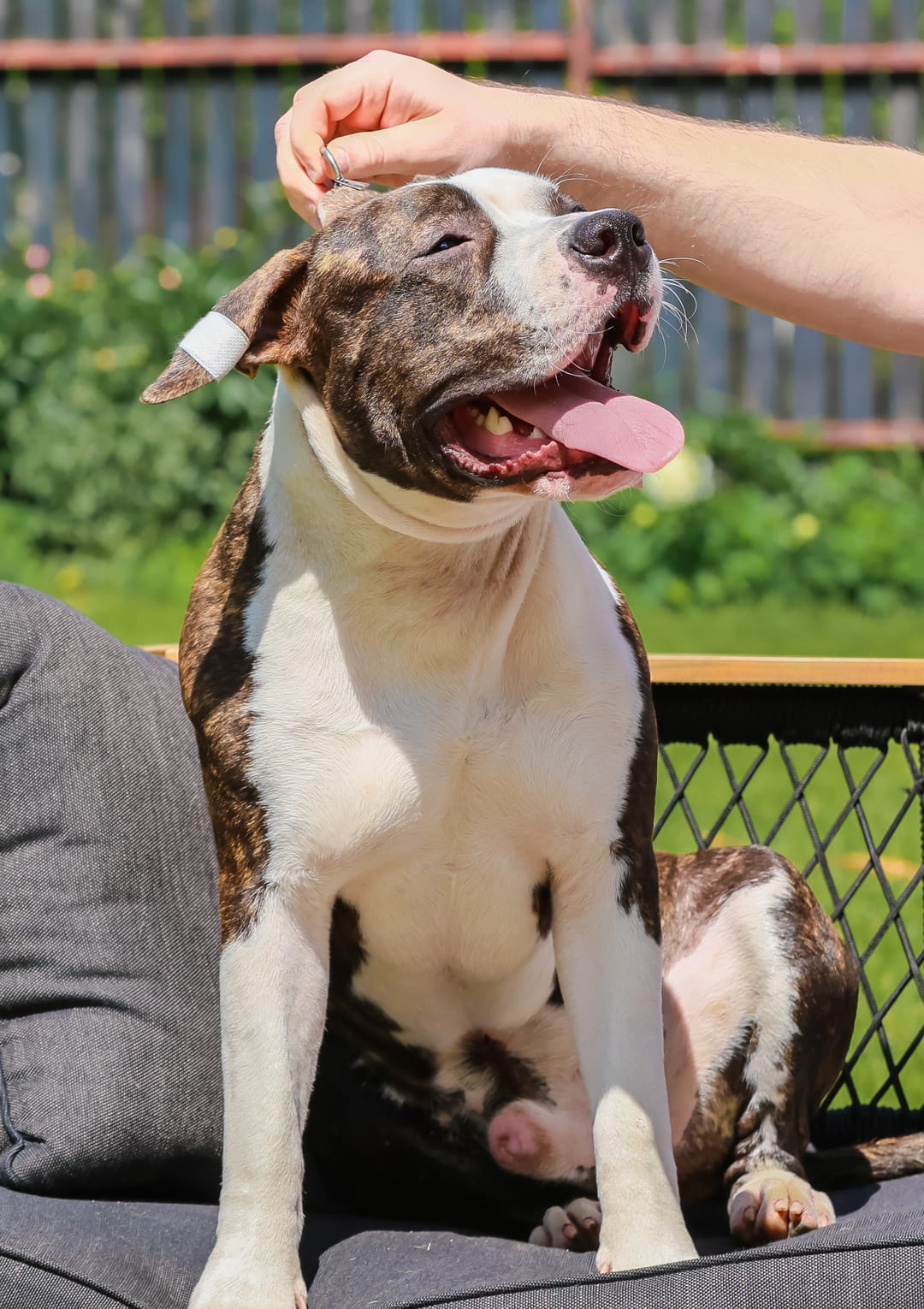
Pet Dental Cleaning in Greer, SC
Your dog or cat cannot tell you when a tooth hurts, so dental disease often stays hidden until it becomes painful. At Goldenrod Veterinary Hospital in Greer, a professional cleaning under anesthesia lets our veterinarian find and treat trouble below the gumline, where most oral disease actually begins. The result is fresher breath, less pain, and a clearer picture of your pet’s long-term health.
What Is an Anesthetized Dental Cleaning for Pets
An anesthetized dental cleaning is a complete oral care procedure performed while your pet is safely asleep, so every tooth can be cleaned, examined, and imaged without stress or pain. It goes well beyond scraping the tartar you can see.
Because the most important work happens where you cannot look, the visit is often called a comprehensive oral health assessment (COHAT). A single appointment usually includes:
- A full-mouth exam of every tooth, plus the gums, tongue, and soft tissues
- Dental scaling and polishing above and below the gumline
- Digital dental X-rays to check tooth roots and the surrounding bone
- Charting of any problem areas, with treatment or extractions handled as needed
Why Do Pets Need Anesthesia for a Dental Cleaning
Veterinary Dental Specialists actually advise against Anesthesia-Free Dental Cleaning. Pets need anesthesia because the most important part of the cleaning happens below the gumline, and no awake dog or cat will hold still for careful work with sharp instruments near their teeth. Veterinary guidelines are clear that a thorough cleaning and evaluation should be performed under anesthesia.
Being fully asleep lets us clean deep pockets, take complete X-rays, and probe each tooth without causing fear or discomfort. It also protects the airway and keeps the experience calm, which matters for pets who already dread the vet.
Is Anesthesia Safe for Dog and Cat Teeth Cleanings
Yes. For a healthy pet, modern veterinary anesthesia is very safe, and we take specific steps to keep it that way before, during, and after every dog dental cleaning or cat dental cleaning:
- A pre-anesthetic exam and bloodwork to confirm your pet is a good candidate
- An anesthesia plan tailored to your pet’s age, breed, and health
- An IV catheter and fluids to support blood pressure and recovery
- Continuous monitoring of heart rate, oxygen, CO2, blood pressure, and temperature
- A dedicated team member watching your pet from induction through wake-up
Senior pets and those with health conditions receive extra screening so any risks are understood and managed well in advance, but anesthesia can be, and often is, safe for them too.
What Happens During a Professional Teeth Cleaning
During the visit, your pet is gently placed under anesthesia, then receives a full cleaning, imaging, and oral exam, followed by closely monitored recovery. A typical day looks like this:
- Check-in and a pre-anesthetic review of exam findings and bloodwork
- Careful induction, with monitoring equipment placed right away
- Dental scaling and polishing to remove plaque and tartar from every surface
- Digital X-rays and a tooth-by-tooth exam to find hidden disease
- Any needed treatment, which may include extractions or addressing gum disease – these options are often discussed at drop off or via an intra-operative phone call.
- Finally, a warm, quiet recovery and a go-home plan
Is Anesthesia-Free Dental Cleaning Enough to Protect My Pet’s Teeth?
No. An anesthesia-free dental cleaning only removes visible tartar from the crown of the tooth and cannot reach or evaluate anything below the gumline, which is exactly where painful disease develops. Because it looks tidy on the surface, it can give owners false reassurance while problems quietly progress.
Holding an awake pet still for scaling can also be stressful and can injure the mouth. Leading veterinary organizations and specialists advise against it, which is why we focus on complete care that truly protects your pet’s oral health as well as their overall health.
What Are the Signs My Pet Needs a Dental Cleaning
Persistent bad breath is the most common early sign, but dental disease can show up in several ways worth watching for:
- Bad breath that does not go away
- Yellow or brown tartar along the gumline
- Red, swollen, or bleeding gums
- Drooling, or dropping food while eating
- Chewing on one side, or pawing at the mouth
- Loose or broken teeth, or reluctance to eat hard food
Keep in mind that pets hide pain well, so disease can be advanced before any signs appear. A routine exam is the most reliable way to catch it early.
How Often Should Pets Have Their Teeth Cleaned
Most dogs and cats benefit from a professional cleaning about once a year, though the right interval depends on breed, age, and how much home care they get. Small and flat-faced breeds tend to need attention sooner because their teeth crowd together.
At each wellness visit, our team checks the mouth and recommends a schedule that fits your pet. Good home habits like brushing and dental diets can stretch the time between visits and make ongoing veterinary dental care easier.
What Does a Professional Dental Cleaning Cost
Cost depends on your pet’s size and age, the level of disease found, and whether X-rays reveal teeth that need treatment or extraction, so a firm quote follows the oral exam. Pre-anesthetic bloodwork, monitoring, and pain control are part of doing the procedure safely.
We believe in being upfront, so we walk you through an estimate and payment options before any treatment begins. Treating disease early is almost always more comfortable for your pet and easier on your budget than waiting.
How Should I Prepare My Pet for a Dental Cleaning
In most cases, preparation simply means withholding food the night before as directed, while still allowing water, so the stomach is empty for safe anesthesia. A few simple steps help the day go smoothly:
- Follow the fasting instructions we provide for your pet
- Keep fresh water available unless we tell you otherwise
- Give routine medications only if we have approved them
- Plan for a morning drop-off and a same-day pickup
- Share any recent changes in appetite, behavior, or health
What Is Recovery Like After a Dental Cleaning
Most pets recover the same day and are back to their usual selves within 24 to 48 hours, though they may be a little sleepy the first evening as the anesthesia wears off. If any teeth were removed, we send home soft-food guidance and pain medication to keep your pet comfortable.
We follow up to check on healing after extractions and help you set up a simple home care routine so the mouth stays healthy between visits.
Why Choose Goldenrod Veterinary Hospital for Your Pet’s Dental Care
Goldenrod pairs advanced dental medicine with a calm, low-stress approach, so your pet gets thorough care without the fear. As a privately owned, founder-led practice, we have the freedom to spend real time with every patient and family.
Dr. Eli Layman brings more than 15 years of experience that includes dentistry, surgery, and pain management, backed by digital dental X-rays and unrushed, comfort-first visits. You can explore our full range of veterinary services to see how dental care fits into your pet’s overall wellness plan.
Book Your Pet’s Dental Cleaning at Goldenrod
A healthier mouth means a more comfortable, longer life for the pet you love. To schedule a pet dental cleaning in Greer, request an appointment with the Goldenrod team, and we will build a plan that fits your pet and gives you real peace of mind.
