
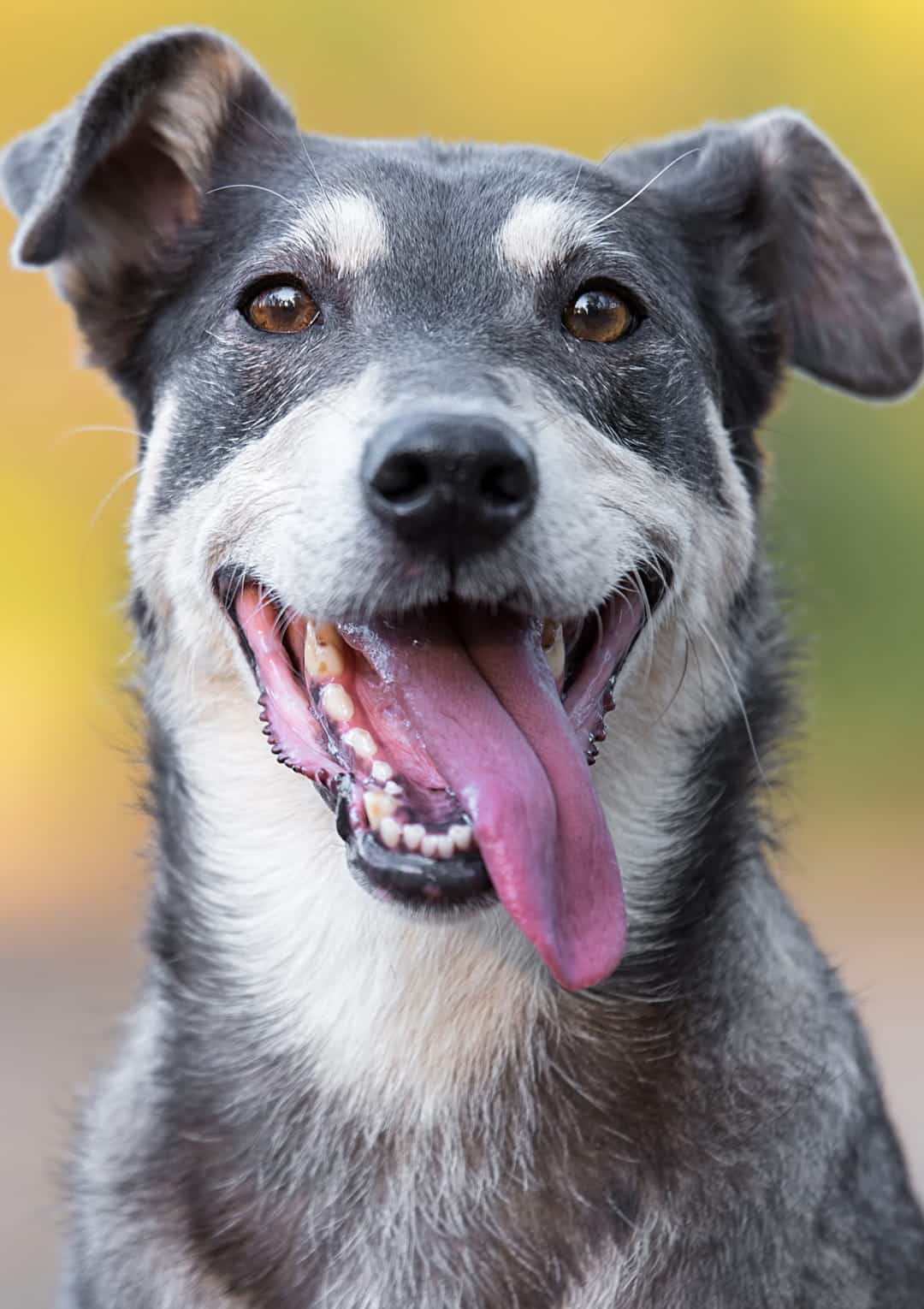
Blood Screening for Pets in Greer, SC
Goldenrod Veterinary Hospital provides blood screening for pets in Greer, SC to help dog and cat owners better understand their pet’s health. Our privately owned practice believes preventive care saves lives, which is why we use thorough veterinary blood testing, gentle handling, and personalized care recommendations to support pets through every age and stage.
Pet bloodwork can reveal important information that may not be visible during a physical exam alone and may not be obvious with any clinical symptoms at home. A dog or cat may seem happy, active, and comfortable while subtle internal changes are beginning to develop. With a small blood sample, our veterinary team can evaluate important health markers, look for early warning signs, and make more informed decisions about your pet’s care.
Whether your pet needs routine wellness testing, a dog blood test, a cat blood test, senior monitoring, or lab work before anesthesia, we take the time to explain what we are checking and why it matters.
What Is Pet Blood Screening?
Pet blood screening is a diagnostic service that helps veterinarians evaluate what is happening inside your pet’s body. While a nose-to-tail exam gives us valuable information about your pet’s outward health, veterinary bloodwork helps us assess internal systems that cannot always be evaluated by sight or touch.
A blood sample may help us review blood cell levels, organ function, hydration status, blood sugar, electrolyte balance, and signs of infection or inflammation. These results can help us build a clearer picture of your pet’s overall health and compare future results to a healthy baseline.
What Does Pet Blood Work Test For?
Pet blood work can test several areas of your dog or cat’s health, depending on the type of panel recommended. Some tests are used for routine wellness care, while others help investigate symptoms such as vomiting, diarrhea, low energy, appetite changes, weight loss, increased thirst, or urinary concerns.
A CBC blood test evaluates red blood cells, white blood cells, and platelets. This can help identify patterns linked to anemia, infection, inflammation, immune response, or clotting concerns. A blood chemistry panel helps evaluate organ function and metabolic health, including kidney values, liver values, blood sugar, proteins, and electrolytes.
Some pets may need additional diagnostic blood testing, such as thyroid testing, heartworm testing, infectious disease screening, tick-borne disease testing, or other targeted diagnostics based on age, symptoms, lifestyle, and exam findings.
When Should My Dog or Cat Have Blood Work Done?
Your dog or cat may need blood work at different points throughout life. Some pets need testing because they are sick, while others benefit from routine screening as part of preventive care.
Your veterinarian may recommend lab testing during a wellness exam, before anesthesia, before certain medications are started, while monitoring long-term medications, when symptoms are vague, or when a pet is entering the senior stage of life.
Blood work for dogs and cats gives us information that helps guide next steps. In some cases, it confirms that internal values look stable. In other cases, it helps us catch changes early enough to respond with a more proactive care plan.
Does My Pet Need Blood Screening During a Routine Wellness Exam?
Many pets benefit from wellness blood testing during routine exams, even when they appear healthy. Preventive care saves lives because health changes often begin internally before they cause visible symptoms.
A routine pet blood test can help establish a healthy baseline, detect early internal changes, monitor organ function, evaluate blood sugar and hydration, and support age-appropriate care planning. For younger pets, testing can create a starting point for future care or a baseline for future comparison. For adult and senior pets, it can help detect changes earlier and support better long-term health decisions.
Why Is Blood Work Important for Senior Dogs and Cats?
Senior pets are more likely to develop age-related health changes, and many of those changes are easier to manage when they are found early. Senior pet blood work can help evaluate kidney function, liver values, blood sugar, thyroid levels when indicated, anemia, inflammation, and other internal markers.
Older dogs and cats may not show discomfort right away. Some pets naturally slow down with age, and subtle symptoms can be mistaken for normal aging. Lab testing helps us look deeper and decide whether a change is age-related or connected to an underlying medical concern.
Senior dog blood tests can help monitor organ function, screen for diabetes, and support chronic disease care. Cat bloodwork may help detect patterns linked to kidney disease, thyroid changes, diabetes, anemia, inflammation, or unexplained weight loss.
What Conditions Can Veterinary Blood Tests Detect?
Veterinary blood tests do not diagnose every condition on their own, but they can reveal patterns that help guide further evaluation. Blood results may point toward possible kidney disease, liver concerns, diabetes, anemia, infection, inflammation, thyroid disease, dehydration, electrolyte imbalances, or other internal health changes. We also have the availability of specialized blood tests to screen for heart disease (dogs or cats), or lymphoma (dogs only), and for gastrointestinal/pancreatic function (dogs or cats).
Your veterinarian uses these results alongside your pet’s exam, history, symptoms, and any additional diagnostics that may be needed. If results suggest that more testing or treatment is recommended, our team will explain the next steps in clear, practical language.
Does My Pet Need Blood Work Before Surgery or Anesthesia?
At Goldenrod Veterinary Hospital, pre-anesthetic blood work is required before surgery, dental procedures, or other services that require anesthesia. These tests help your veterinarian look for hidden health concerns that could affect anesthetic planning.
Before anesthesia, lab testing will help evaluate liver function, kidney function, blood cell levels, platelet levels, blood sugar, hydration, and electrolyte balance. Goldenrod Veterinary Hospital provides surgical care, dental care, anesthesia, and surgical monitoring with a thoughtful approach to comfort and safety. Pre-anesthetic blood work helps us make informed decisions before your pet’s procedure.
How Long Does It Take to Get Pet Blood Test Results?
The timing for pet blood test results depends on the type of testing being performed. Some lab work may be processed through in-house diagnostics, while more specialized testing may need to be sent to an outside reference laboratory.
When results are available quickly, they can help our team make timely care recommendations. If a test requires outside processing, we will let you know what to expect and follow up once results are available. Our team will also explain what the results mean, including whether they look normal, need monitoring, or require additional care.
How Often Should Pets Have Blood Screening?
The right schedule for routine blood work depends on your pet’s age, health history, lifestyle, medications, symptoms, and exam findings. There is no one-size-fits-all answer.
Healthy adult pets may benefit from lab testing during routine wellness care, annually. Senior pets, pets with chronic conditions, and pets taking long-term medications may need testing more often, 2-4 times per year. Even when results are normal, they provide valuable information for future comparison and help your veterinarian monitor trends over time.
What Can a Blood Test Tell You About Your Pet’s Health?
A blood test for dogs and cats can help show how your pet’s body is functioning beneath the surface. It can help identify normal baselines, detect early health changes, support a diagnosis, guide treatment, and monitor chronic conditions.
Blood testing can also help pet owners make confident decisions. When you understand what is happening internally, it becomes easier to choose the next step in your pet’s care.
At Goldenrod Veterinary Hospital, we believe education is part of good medicine. Our team takes time to review findings, answer questions, and help you feel supported throughout the process.
Why Choose Goldenrod Veterinary Hospital for Pet Bloodwork?
Goldenrod Veterinary Hospital was built around expert medicine, thoughtful care, and strong relationships. As a privately owned practice founded by Dr. Eli Layman, we focus on personalized care rather than rushed appointments. Every pet is treated as an individual, and every recommendation is made with your pet’s comfort, quality of life, and long-term wellness in mind.
Families choose our practice because we offer in-house lab testing, low-stress handling, thorough exams, personalized treatment plans, preventive care, clear communication, and support for dogs and cats of all ages.
Schedule Veterinary Blood Testing for Your Dog or Cat
If your pet is due for lab work, showing new symptoms, preparing for anesthesia, or entering a new life stage, Goldenrod Veterinary Hospital is here to help. Our privately owned veterinary hospital in Greer, SC provides veterinary blood testing for dogs and cats with a focus on prevention, comfort, and clear communication. Call, book online, or email our team to schedule your pet’s visit today.
